How a missed opportunity became a movement for mindful leadership decisions.
It began with a decision I regret to this day. In 2019, I signed an acquisition agreement that looked perfect on paper. The numbers aligned. My advisors approved. The board was enthusiastic. But something in me resisted—a quiet voice I had learned to ignore in the rush of running a growing company.
Within eighteen months, the acquisition had failed spectacularly. The cultural clash I sensed but dismissed destroyed value for both organizations. Hundreds of jobs were lost. And I was left asking myself: what if I had simply taken a walk before signing?
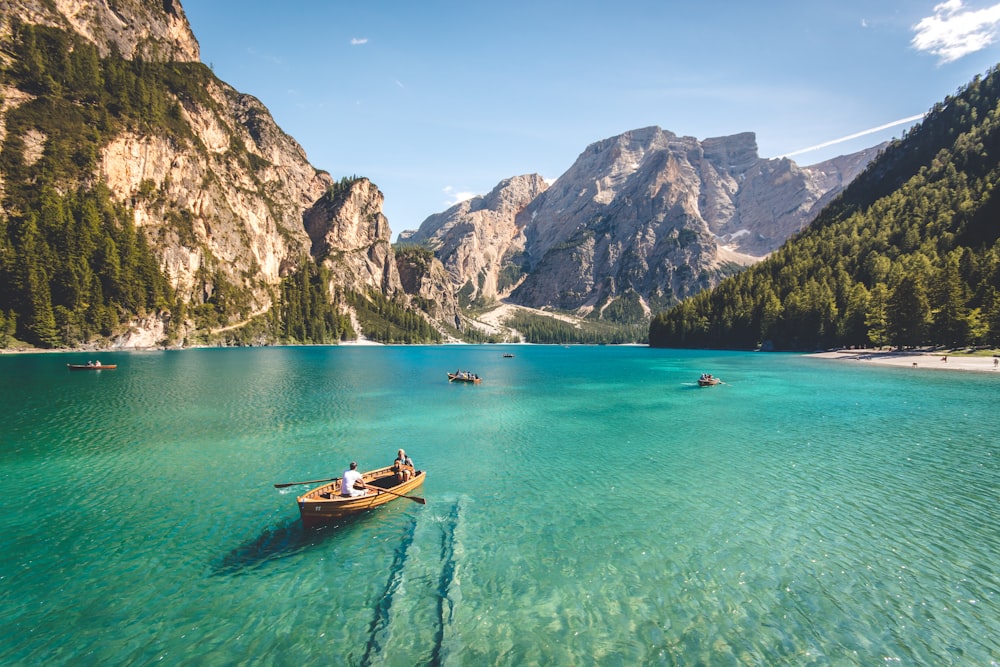
That question became an obsession. I began studying the decision-making habits of leaders I admired—those who seemed to possess an unusual clarity about which opportunities to pursue and which to release. A pattern emerged: they walked.
Not casually, not as exercise, but with intention. Before every major decision, they created space for their minds to wander as their bodies moved. They had routes—specific paths they returned to when stakes were highest.

"The answers we seek are not hiding. They are waiting for us to become quiet enough to hear them."— Company Philosophy
I spent two years walking. Through Toronto, Vancouver, Montreal, Calgary—every major Canadian business center. I walked before my own decisions and documented what worked. Which paths invited reflection? Which environments disrupted thought? What conditions allowed the mind to settle into deeper processing?
Patterns emerged. Routes near water consistently performed well for emotional clarity. Tree-lined paths enhanced creative thinking. Urban routes with moderate visual stimulation supported analytical processing. Timing mattered enormously—the quality of light at dusk created different cognitive states than morning walks.
I began sharing routes with colleagues facing their own high-stakes decisions. The feedback was consistent: these walks changed outcomes. Not by providing answers, but by creating the conditions where answers could surface.
By 2023, the informal practice had grown into something more. Executive coaches began recommending our routes. Leadership programs requested access. The demand made clear that what I had discovered was not personal—it was a need that many leaders shared but few had vocabulary for.
Every route in our collection undergoes rigorous assessment across seventeen criteria designed to measure contemplative quality.
Ambient noise levels, visual complexity, olfactory elements. Routes must score above threshold for cognitive restoration.
Surface quality, elevation changes, lighting conditions. The body's experience shapes the mind's capacity for reflection.
Foot traffic patterns, interruption probability, privacy levels. Deep thinking requires appropriate solitude.
Optimal walking windows, seasonal considerations, weather resilience. A great route must perform consistently.
Today, witty-threads includes a small team of former executives, organizational psychologists, and urban designers who share the conviction that leaders deserve better conditions for their most important decisions.
Each team member has personally walked every route in our collection while processing real challenges. We do not recommend paths we have not taken ourselves. This is not a mapping exercise—it is a practice we live.
Our work continues to evolve. New routes are added each season. Existing routes are reevaluated as conditions change. And we are constantly learning from the leaders who use our services about what creates the conditions for clarity.
Ready to find your route to clarity?
Explore Our ServicesAfter burning out making reactive decisions for years, witty-threads gave me a framework for thinking that actually works. The walking practice has become essential to how I lead.
— L. Patterson, VP OperationsI was skeptical until I tried the Lakeside Decision Loop before a difficult board conversation. I arrived with a clarity I had not experienced in years. The route found what meetings could not.
— D. Nakamura, Board ChairHave questions about our approach?
Contact Us